UK University Grading Guides
Clear explanations of how UK degrees are classified, graded, and calculated. Each guide pairs with a free calculator so you can go from understanding the system to checking your own grades in minutes.

UK Degree Classifications Explained
What First, 2:1, 2:2, and Third class degrees mean, the percentage boundaries behind them, employer expectations, borderline policies, and international equivalents.
degree classificationuni grade boundaries2:1 degreefirst class percentageGuide · 10 min read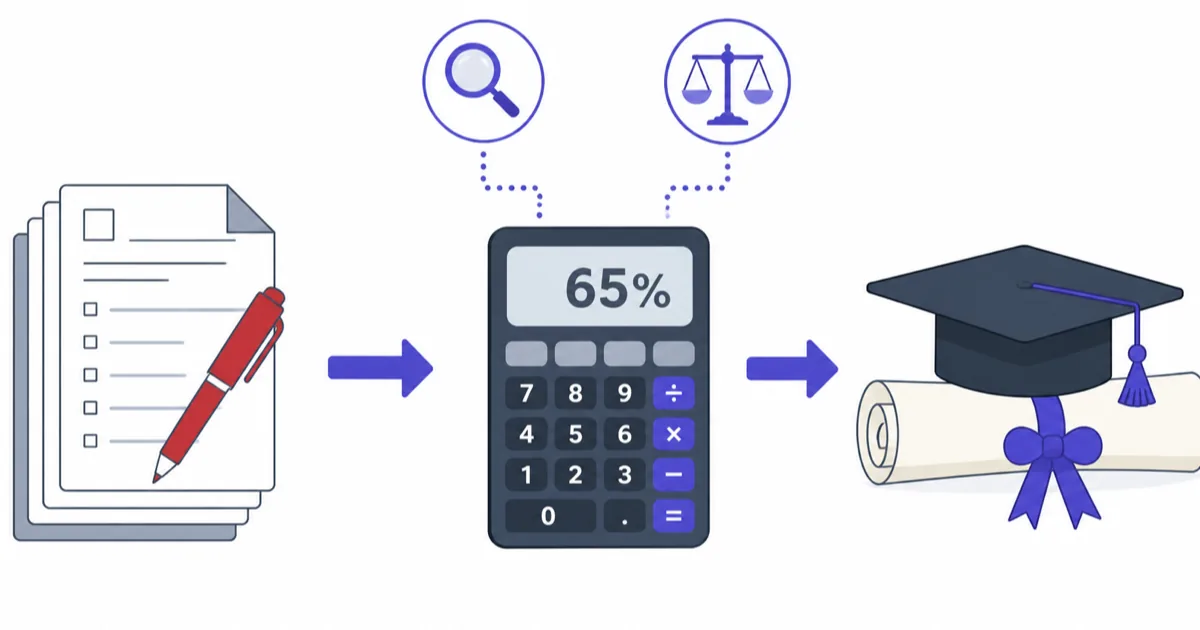
How University Grading Works in the UK
The full journey from assessment marks to confirmed degree result: FHEQ and SCQF credit frameworks, marking and moderation, external examiners, year weightings, and appeals.
university grading system UKcreditsmoderationexternal examinerGuide · 8 min read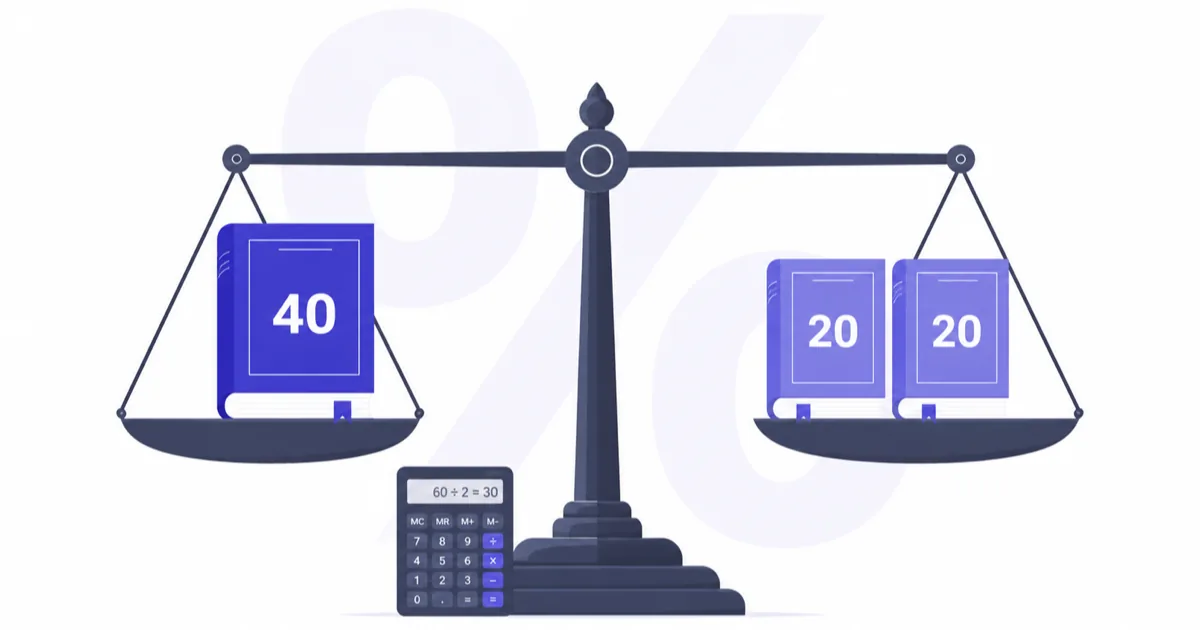
How to Calculate a Weighted Average
Step-by-step weighted average formula with worked examples, year weighting, Excel method, capped resits, and every common mistake that changes a classification.
weighted average formulacredit weighted averageyear weightingExcel SUMPRODUCTGuides vs Calculators
The guides explain the rules; the calculators do the arithmetic. If you already know your marks and just need an answer, start with the university grade calculator. If you want to understand why a 68% average might still earn a First, or how Year 2 and Year 3 combine, start with a guide above.
Where to Go Next
- University Grade Calculator. Overall degree classification from your module grades.
- Module Grade Calculator. Combine coursework, exam, and practical marks.
- Weighted Average Calculator. Credit-weighted averages across unequal modules.
- Final Grade Calculator. What you need on remaining credits to hit your target.
For a deeper explanation of any single step, the degree classifications guide covers boundaries and outcomes, while the grading process guide covers moderation, external examiners, and exam boards.